What Is Shabu-Shabu?
Shabu-shabu (しゃぶしゃぶ) describes the gentle swishing of thin meat slices through hot broth — the sound itself inspired the name. Unlike heavier stews, this Japanese hot pot focuses on purity and ingredient quality.
Key characteristics:
- Kombu-based dashi broth
- Paper-thin sliced beef (ribeye or sirloin)
- Fresh vegetables like napa cabbage and mushrooms
- Tofu and glass noodles
- Dipping sauces such as ponzu and sesame sauce
Shabu-shabu highlights texture, timing, and balance rather than bold seasoning.
Authentic Shabu-Shabu Recipe (Serves 4)
Ingredients
For the Kombu Dashi:
- 1.5 liters water
- 1 piece kombu seaweed (approx. 10 x 10 cm)
For the Hot Pot:
- 600–800 g thinly sliced beef
- 1 block firm tofu
- 1 napa cabbage
- 1 bunch scallions
- 200 g shiitake or enoki mushrooms
- 1 package shirataki or glass noodles
Dipping Sauces:
- Ponzu sauce (soy sauce with citrus)
- Goma dare (creamy sesame sauce)
Step-by-Step Preparation
1. Prepare the Broth
Soak kombu in cold water for 30 minutes.
Slowly heat without boiling. Remove kombu just before the water reaches a simmer.
2. Prepare Ingredients
Slice vegetables into bite-sized pieces.
Cube tofu.
Keep beef refrigerated until serving.
3. Cook at the Table
Place the pot on a portable burner.
Add vegetables first.
Swish beef slices through the broth for 5–10 seconds — “shabu-shabu.”
Dip into sauce and enjoy immediately.
4. Finish the Meal
Add noodles or rice to the enriched broth at the end for a final umami course.
Nabemono – Japanese Hot Pot Culture Explained
Nabemono translates to “things in a pot” and refers to a whole category of Japanese hot pot dishes, especially popular during colder months.
Popular variations include:
- Sukiyaki – sweet soy-based broth
- Miso Nabe – rich and savory
- Kimchi Nabe – spicy and bold
- Seafood Nabe – featuring fish and shellfish
What defines Nabemono is the shared cooking experience. It’s interactive, communal, and ideal for entertaining.
Best Sake Pairing for Shabu-Shabu
Pairing Japanese hot pot with sake enhances the dish’s umami depth and textural nuance.
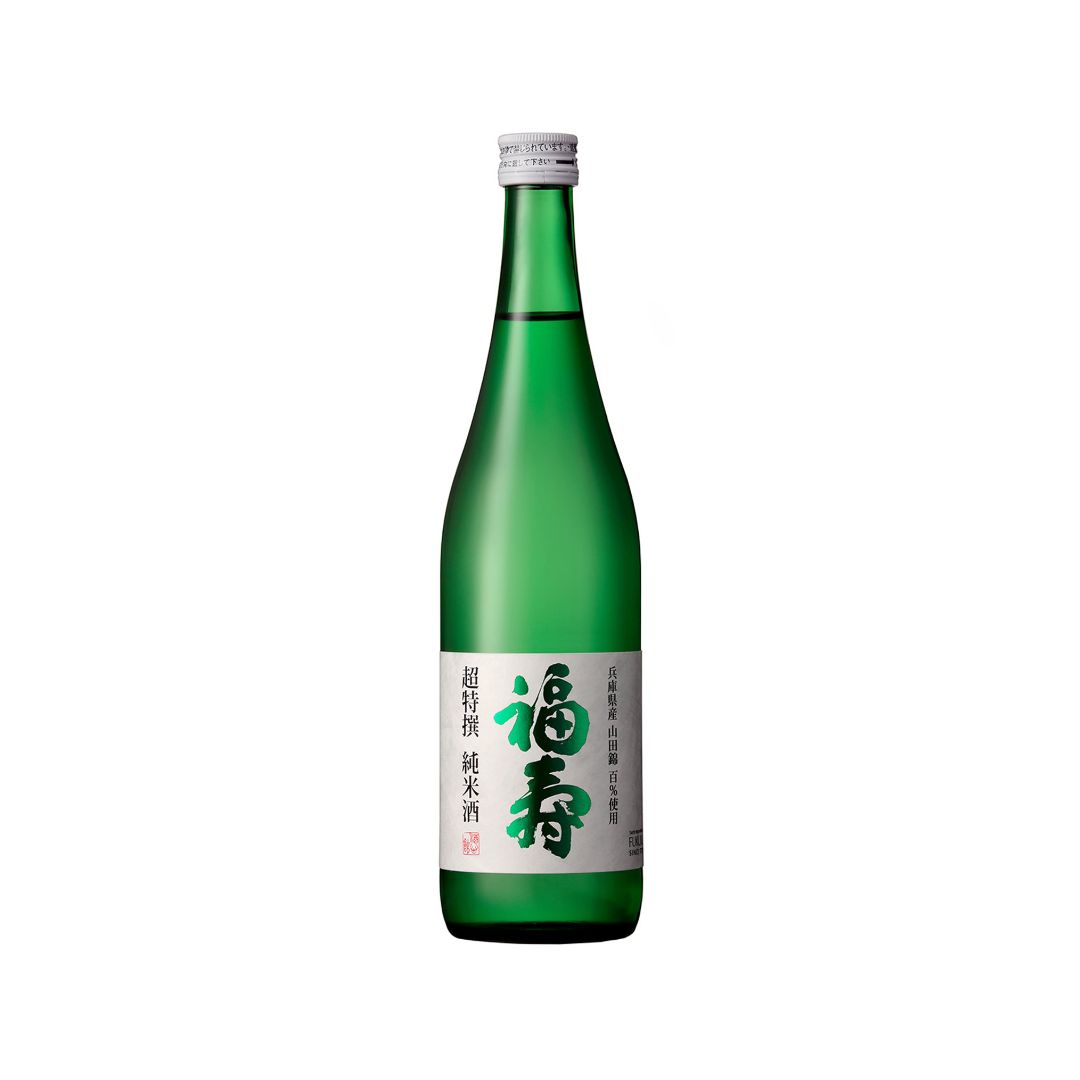
1. Junmai Sake – Structured & Umami-Driven
Ideal with beef-focused Shabu-shabu. Its rice character and backbone complement the broth’s subtle intensity.
2. Junmai Ginjo Sake – Aromatic & Refined
Perfect when vegetables take center stage. Delicate fruit notes elevate the clarity of kombu dashi.
3. Kimoto or Yamahai – Complex & Layered
Excellent with richer sauces or more intense ingredients. Higher acidity adds dimension.
Serving Temperature
Best enjoyed at 10–15 °C (50–59 °F).
Too cold suppresses aroma; too warm softens precision.
Why Shabu-Shabu Is Perfect for Entertaining
- Minimal kitchen stress
- Interactive dining
- Ideal for sake tastings
- Elegant yet approachable
A Japanese hot pot dinner creates atmosphere naturally. Combined with curated sake selections, it becomes a premium culinary experience suitable for private gatherings, wine bars, or fine dining concepts.
Shabu-shabu is more than a recipe. It’s a reflection of Japanese culinary philosophy — respect for ingredients, balance in flavor, and shared enjoyment at the table.
With quality beef, fresh vegetables, clean kombu dashi, and thoughtfully chosen sake, this Japanese hot pot transforms into a refined yet inviting dining ritual.