Acidity is a key factor in freshness, balance, and food pairing. However, not all acidity behaves the same. While acidity in wine is often perceived as direct and structuring, in sake it tends to be softer and more integrated.
The reason lies in how it is formed.
Acidity in Wine: Origin and Structure
In wine, acidity originates in the grape. It is shaped by grape variety, climate, and ripeness, and remains a defining element of the wine’s structure after fermentation.
The main acids include tartaric acid, malic acid, and – following malolactic fermentation – lactic acid. Together, they determine whether a wine feels fresh, firm, or round.
How Acidity Develops in Sake
Sake follows a fundamentally different process. Rice contains virtually no inherent acidity. Instead, acids are formed during fermentation through the interaction of koji, yeast, and microorganisms. Acidity is therefore not a starting component, but an essential result of the brewing process.
The primary acids in sake are lactic acid, succinic acid, and malic acid.
Lactic acid contributes softness and roundness.
Succinic acid adds depth and umami, often giving a subtle savory impression.
Malic acid provides freshness and delicate fruit notes.
Together, they create an acidity that is integrated and balanced within the overall profile. This is especially evident in traditional methods such as Kimoto and Yamahai. In these approaches, lactic acid bacteria develop naturally in the fermentation starter. The resulting lactic acid protects the mash while also shaping the flavor profile. These sake often show greater depth, structure, and a slightly creamy texture.
The key difference between wine and sake lies not only in the origin of acidity, but in its effect.
In wine, acidity often defines structure. In sake, it is more closely integrated into the overall balance. This becomes particularly noticeable with delicate ingredients.
Asparagus, for example, can turn bitter when paired with wine, while sake maintains balance and softness. With fish and seafood, wine may create metallic impressions, whereas sake supports both umami and freshness. In light spring cuisine, sake complements rather than dominates the dish.
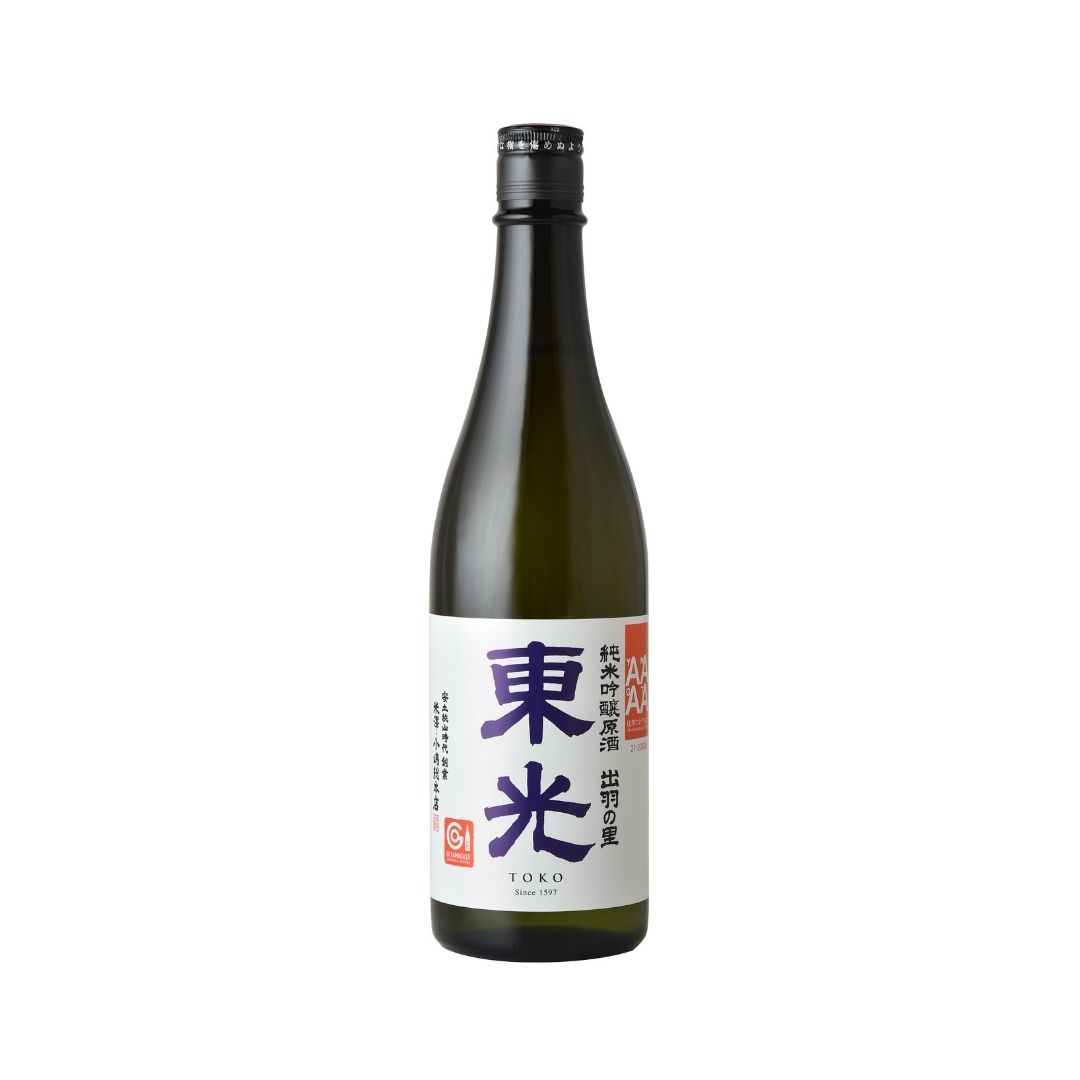
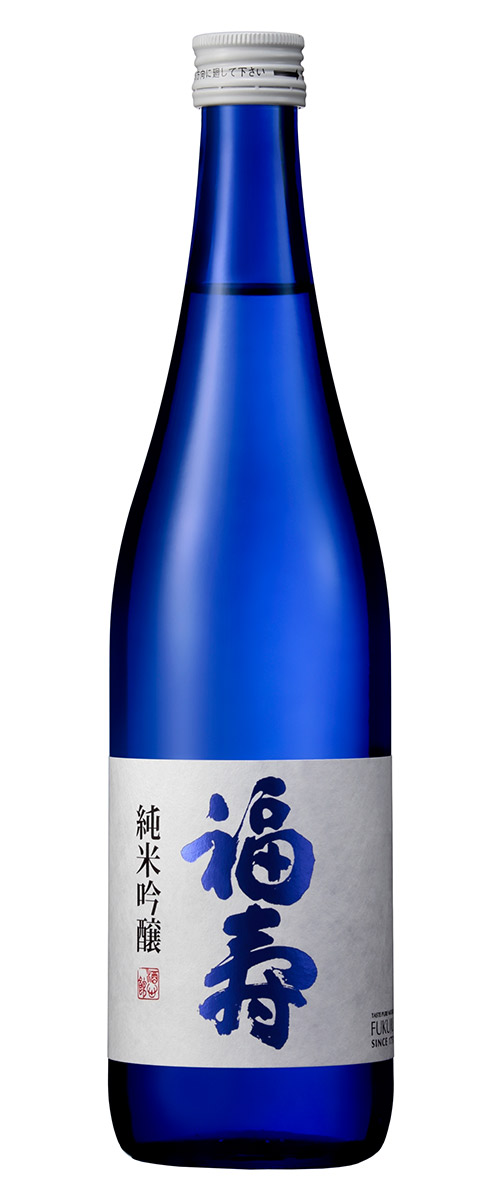
Junmai Ginjo illustrates this particularly well, combining refined fruit, clarity, and balanced acidity, making it a versatile partner for fresh, seasonal dishes.
Acidity in wine structures. Acidity in sake integrates. This is one of the reasons why sake offers unique possibilities in food pairing, especially in spring cuisine.